



 Maintaining a comfortable and healthy indoor environment is a primary goal for any property owner. While we often think about adjusting temperature levels to stay cozy, the moisture level in your indoor air plays an equally large role in your daily comfort. Because of our high altitude and unique geography, Colorado is famous for its beautiful, sunny days—and its incredibly dry climate. Our indoor air quality services help local families correct this balance by adding clean, controlled moisture to their living spaces. Installing a whole-home humidifier is one of the most effective ways to shield your health, your home, and your wallet from the negative effects of dry air.
The Local Climate Challenge: Why Our Air Is So Dry
Colorado’s air is naturally dry because of our high elevation. As altitude increases, atmospheric pressure drops, which makes it harder for the air to hold onto moisture. Additionally, our mountain ranges block a lot of the humid weather patterns that travel across the country from coastal regions.
When winter arrives, the dry air problem gets significantly worse. Cold air naturally holds less water vapor than warm air. When you pull that freezing outdoor air inside your house and heat it up with a furnace, the relative humidity plunges even lower. In fact, the indoor air in an unhumidified Colorado home during January can easily drop below 15% relative humidity. For comparison, that is actually drier than the average climate found in the Sahara Desert.
Signs Your House Lacks Proper Moisture
You do not need a special meter to tell you when your indoor air is too dry. Your body and your household infrastructure will quickly start sending out warning signs:
- Physical Discomfort: Dry air pulls moisture away from your body, leading to dry skin, chapped lips, scratchy throats, and frequent bloody noses. It can also dry out your respiratory passages, making you more vulnerable to colds and flu viruses.
- Static Electricity Spikes: If you experience sudden static shocks every time you touch a doorknob or pet your cat, your air lacks the natural conductivity that comes with healthy humidity levels.
- Damage to Wood Elements: Wood is a natural material that expands and contracts based on moisture. Extremely dry air causes wood floors, cabinets, doors, and musical instruments to shrink, warp, and crack over time.
- Gaps in Your Trim: If you notice new gaps appearing between your floorboards or around your baseboards during the winter, your woodwork is likely losing its natural moisture content.
How a Whole-Home Humidifier Works
Unlike small portable units that you have to refill with water every day and only clean a single room, a whole-home humidifier is integrated directly into your existing forced-air heating system. It treats all the air moving through your house automatically.
Connection to the System
The device is mounted directly onto your main supply or return ductwork and is connected to your home’s water line. This means the system refills itself on demand, completely eliminating the need for manual maintenance.
The Evaporation Process
When your thermostat calls for heat, the furnace turns on and starts pushing air through your ducts. Inside the humidifier, water trickles down a specialized porous pad. As the warm air from your furnace passes across this wet pad, it absorbs the moisture through a natural process of evaporation.
Distribution to Rooms
The newly humidified, warm air is then carried through your existing duct network and distributed evenly into every single room of your house. This ensures a consistent, balanced moisture level from your basement to your top floor.
Smart Controls
The system is managed by a digital control device called a humidistat. You can set your desired humidity level—typically between 30% and 50%—and the system will automatically cycle on and off to maintain that exact target without any guesswork.
The Core Advantages of a Whole-Home Installation
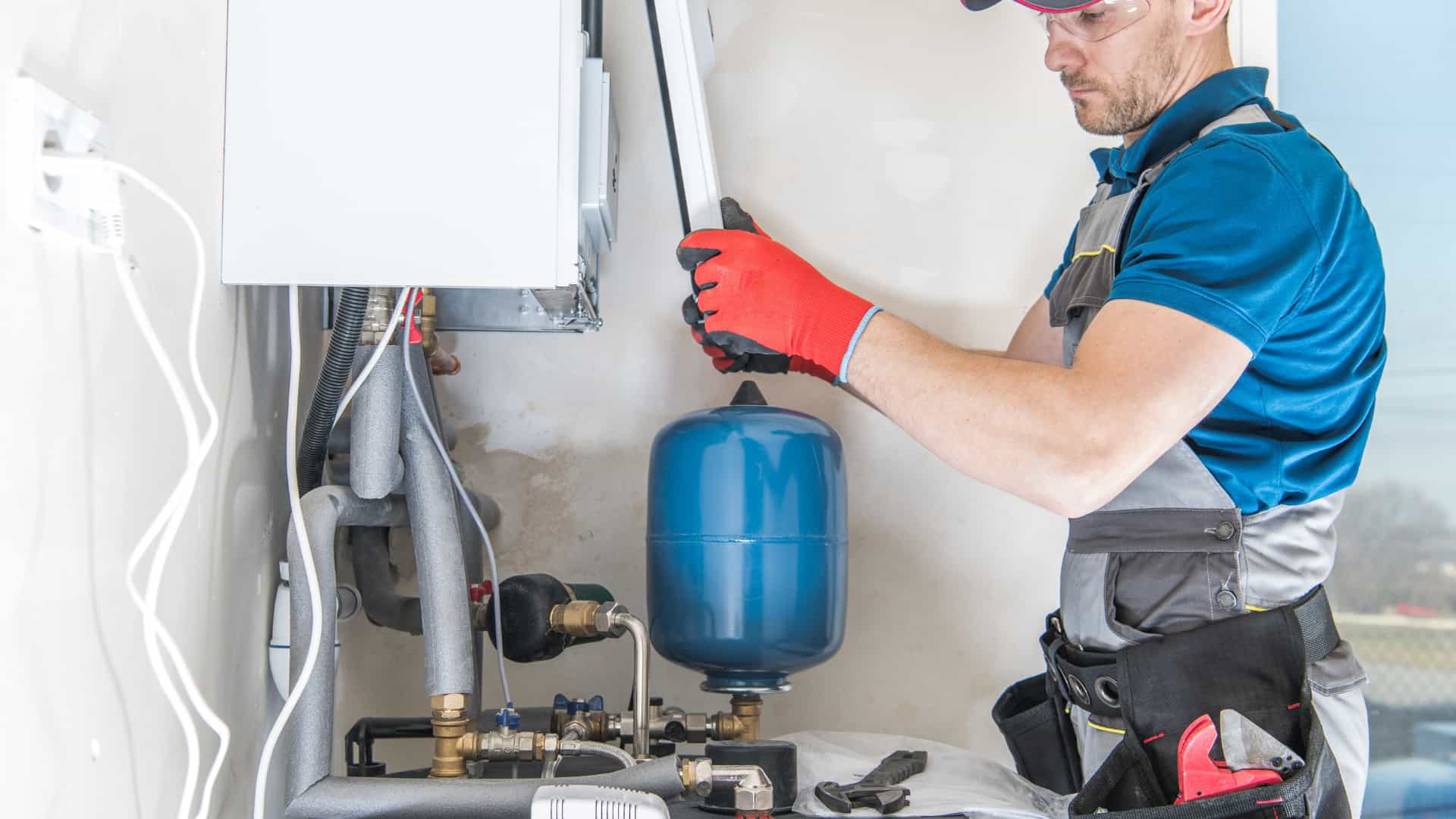
Choosing to invest in a whole-home system brings several immediate, major advantages to your lifestyle and your property budget.
Improved Personal Health
Keeping your home’s humidity at a balanced level preserves the natural moisture barriers in your skin and respiratory tract. This reduces instances of dry skin, eases snoring, and helps your immune system fight off winter bugs more effectively.
Protection for Your Property
Maintaining a stable humidity level protects your valuable wood investments. It prevents expensive hardwood flooring from splitting, stops cabinets from pulling apart at the seams, and preserves the structural integrity of your home’s wooden framing.
Lower Monthly Heating Costs
Dry air naturally feels colder than humid air. This is because dry air speeds up the evaporation of moisture from your skin, which lowers your body temperature. When you add a comfortable level of humidity to your rooms, the air feels naturally warmer to your skin. This allows you to drop your thermostat by a couple of degrees without sacrificing comfort, leading to lower monthly utility bills.
If you are exploring other ways to improve your mechanical systems, you can also look into our furnace options to ensure your heating and humidity systems match perfectly.
Frequently Asked Questions
What is the difference between a bypass and a power humidifier?
A bypass humidifier relies on the furnace’s blower fan to push air through the system using a dedicated secondary duct. A power humidifier has its own built-in fan that pulls air across the water pad independently. Power humidifiers are slightly more efficient and are ideal for larger homes or systems installed in tight utility spaces.
Does a whole-home humidifier require a lot of maintenance?
No. Because the system is connected directly to your plumbing, you never have to carry heavy water tanks. The only regular maintenance required is changing the internal water panel or evaporator pad once a year, which can easily be completed during your annual heating system tune-up.
Can too much humidity cause problems?
Yes, excessive moisture can lead to mold growth and condensation on your windows. This is why having a managed system with a smart humidistat is so critical. Keeping your home between 30% and 50% humidity is the sweet spot that provides comfort without causing moisture risks.
Contact Pulse Home Service for Better Air Quality
Finding the right balance for your home requires an evaluation of your current mechanical equipment and your family’s personal comfort goals. Our team of professionals is dedicated to providing transparent, clear advice to improve your home’s total environment.
Contact Pulse Home Service today to speak with our team and schedule an indoor air quality assessment. We proudly serve homeowners across the area, including Westminster, Boulder, Broomfield, Lafayette, Longmont, and Northglenn.