



 Colorado winters are beautiful, but they can put your plumbing at risk. How to prevent frozen pipes is a key concern for many homeowners because frozen pipes are one of the most common and expensive winter emergencies. Colorado’s sharp temperature swings can make homes more likely to face this problem. If you are not prepared, one frozen pipe can burst, cause thousands of dollars in damage, and leave you without water for weeks.
The good news? With the right prevention strategies, you can protect your home and avoid this nightmare scenario entirely. Pulse Home Services helps Colorado homeowners protect their plumbing systems year-round with expert guidance and professional plumbing services.
Why Frozen Pipes Are a Critical Problem in Colorado
Colorado’s continental climate creates the perfect storm for frozen pipes. The state experiences dramatic temperature fluctuations, with sunny days followed by sudden arctic blasts that can drop temperatures 30 to 40 degrees in just a few hours. This unpredictability is what makes Colorado homes so vulnerable to pipe freezing. Understanding the risks of frozen pipes in your area is the first step toward effective prevention.
When Water Freezes
When water freezes inside your pipes, it expands by approximately 9 percent. This expansion can create extremely high pressure inside the pipe, far beyond what typical residential plumbing is designed to handle. This pressure can cause pipes to burst, leading to water damage that affects your home’s structure, insulation, drywall, and personal belongings. According to the U.S. Environmental Protection Agency (EPA), water damage from burst pipes is one of the most common homeowner insurance claims. A burst pipe emergency requires immediate professional attention to minimize damage.
Structural & Financial Impact
The financial impact of frozen pipes extends far beyond the initial repair costs. A burst pipe can result in thousands of dollars in water damage, mold remediation, and structural repairs. Additionally, you may be without water service for weeks while repairs are completed and inspections are conducted. The most vulnerable months are December through February, with the highest risk during arctic blasts when temperatures plummet below zero. This is why scheduling a pre-winter plumbing inspection is so critical.
Prevention
The best approach is prevention. By understanding where pipes are most vulnerable and taking proactive steps now, you can avoid the stress, expense, and inconvenience of dealing with frozen pipes during the coldest months of the year. Pulse Home Services’ team of licensed plumbers can help you identify vulnerabilities and implement comprehensive prevention strategies.
Identify Your Home’s Most Vulnerable Pipe Locations
Not all pipes in your home are equally at risk of freezing. Understanding which areas of your home are most vulnerable is the first step in creating an effective prevention strategy. Knowing your home’s plumbing layout is essential for effective frozen pipe prevention.
High-Risk Areas in Colorado Homes
Certain locations in your home are far more susceptible to freezing than others. Basements and crawl spaces are common problem areas because they’re often unheated or poorly insulated. Attics present similar challenges, especially in older homes where insulation may be inadequate. Exterior walls, particularly those facing north, receive less sunlight and stay colder longer. These areas require special attention during winter months.
Garages and other unheated rooms are frequent culprits for frozen pipes. If your home has plumbing running through an attached garage, those pipes are at significant risk, especially if the garage door is left open during winter. Pipes located near exterior doors and windows are exposed to cold air infiltration. Water lines running through exterior walls have minimal protection from the elements. Professional plumbers can help identify and protect these vulnerable areas.
Don’t forget about outdoor faucets and hose bibs. These are often overlooked but are among the first pipes to freeze because they’re directly exposed to outdoor temperatures. Take time to walk through your home and identify where your water lines are located. Pay special attention to any pipes you can see in basements, crawl spaces, or attics. Understanding your home’s plumbing layout is essential for effective prevention.
5 Essential Prevention Strategies for Colorado Homeowners
Preventing frozen pipes requires a multi-layered approach. The following five strategies work together to protect your home’s plumbing system throughout the winter season. These proven methods can significantly reduce your risk of experiencing a costly frozen pipe emergency.
1. Insulate Exposed Pipes
Pipe insulation is one of the most cost-effective prevention methods available. Foam pipe insulation sleeves are inexpensive, typically costing just $2 to $5 per 6-foot section, and they’re easy to install. Simply slide the foam sleeve over exposed pipes and secure it with tape or zip ties. This simple step can prevent thousands of dollars in water damage.
Use Heat Tape
For pipes in extremely cold areas or those that have frozen before, consider adding heat tape in addition to foam insulation. Heat tape is an electric heating element that wraps around the pipe and maintains a minimum temperature, preventing freezing even during severe cold snaps. While more expensive than foam insulation, heat tape provides superior protection in high-risk areas. Professional installation ensures optimal performance and safety.
Prioritize Unheated Spaces
Prioritize insulating pipes in unheated spaces first. Your basement, crawl space, and attic should be your primary focus. Don’t overlook the small details either. Seal gaps around pipes with caulk or foam insulation to prevent cold air from reaching the pipe surface. Our technicians can assess which areas need the most attention based on your home’s specific layout.
2. Maintain Proper Thermostat Settings
Your heating system is your first line of defense against frozen pipes. When you’re away from home during winter, resist the temptation to lower your thermostat to save money. Keep your thermostat set to a minimum of 55°F when you’re away. During extreme cold snaps, when temperatures drop below zero, maintain a setting of at least 60°F. Proper HVAC maintenance ensures your system can handle winter demands.
Isn’t Heating an Empty House Wasteful?
This might seem wasteful, but the cost of heating is minimal compared to the expense of repairing burst pipes and water damage. Additionally, don’t cut back on heating during winter cold snaps. Your heating system is working hard to protect your home’s plumbing, and reducing heat during the coldest periods defeats this protection. Regular HVAC maintenance keeps your system running efficiently.
Keep Interior Doors Open
Keep interior doors open to allow warm air to circulate throughout your home, including to areas where pipes are located. If your home has plumbing running through an attached garage, keep the garage door closed during winter to maintain warmer temperatures in that space. This simple practice can make a significant difference in preventing frozen pipes.
3. Allow Water to Flow During Extreme Cold
One of the simplest and most effective prevention techniques is allowing water to drip from faucets during extreme cold. Running water, even at a trickle, is much less likely to freeze than stagnant water. The movement of water through the pipe reduces the likelihood of ice formation. This technique has proven effective for countless Colorado homeowners.
Let the Water Drip
During deep freezes, when temperatures drop to zero or below, let faucets served by exposed pipes drip continuously. The drip should be about the diameter of a pencil. This small amount of water flow relieves pressure that builds up in the pipes between ice blockages, reducing the risk of pipe bursts. This emergency response technique can save your home from significant water damage.
This technique is particularly important for faucets connected to pipes that run through exterior walls or unheated spaces. You might worry about wasting water, but the small amount used by a dripping faucet is negligible compared to the potential cost of water damage from a burst pipe. If you experience a frozen pipe despite these precautions, contact Pulse Home Services immediately for emergency plumbing services.
4. Seal Air Leaks and Drafts
Cold air infiltration is a major contributor to frozen pipes. Identify and seal any cracks or holes in your home’s exterior walls, particularly around areas where pipes are located. Use caulk or foam insulation to seal these gaps. This weatherization work can improve your home’s energy efficiency while protecting your plumbing.
Use Weathstripping & Caulk
Pay attention to drafty windows and doors, especially those near pipes. Weatherstripping and caulk can significantly reduce cold air infiltration. If your home has a crawl space, ensure it’s properly sealed and insulated. Attics should have adequate insulation to maintain warmer temperatures in the spaces below. Professional energy audits can identify problem areas.
Look for Outside Gaps
Look for gaps where utilities enter your home, such as where water lines, electrical systems, or gas lines penetrate the exterior walls. These openings can allow cold air to reach pipes inside your home. Seal them with foam insulation or caulk to prevent cold air infiltration. The American Society of Home Inspectors (ASHI) recommends regular inspections to identify these vulnerabilities. Professional home inspectors can provide detailed assessments of your home’s weatherization needs.
5. Prepare Your Outdoor Plumbing
Outdoor plumbing requires special attention before winter arrives. Prevent freezing and damage with these tips.
Disconnect Outside Faucets
Disconnect garden hoses from outdoor faucets before the first freeze. Water left in hoses can freeze and expand, potentially damaging both the hose and the faucet connection. This simple fall maintenance task prevents costly spring repairs.
Drain Your Sprinkler System
Turn off and drain your sprinkler system before winter. Residual water in sprinkler lines can freeze, causing damage. Many newer homes have frost‑resistant outdoor faucets with built‑in freeze protection, but older or standard hose bibs may still benefit from inexpensive outdoor faucet covers. Check your specific faucet type and follow the recommendations provided by your plumber or the manufacturer. Professional plumbers can help winterize your outdoor drainage system.
Know Your Shut-Off Valve
Most importantly, locate your main water shut-off valve and your curb stop valve. In an emergency, you need to know exactly where these are located and how to operate them. Test your main shut-off valve to ensure it works properly. This knowledge could save you thousands of dollars in water damage if a pipe bursts. We recommend testing your shut-off valve annually as part of your home maintenance routine.
What to Do If Your Pipes Freeze: Emergency Response
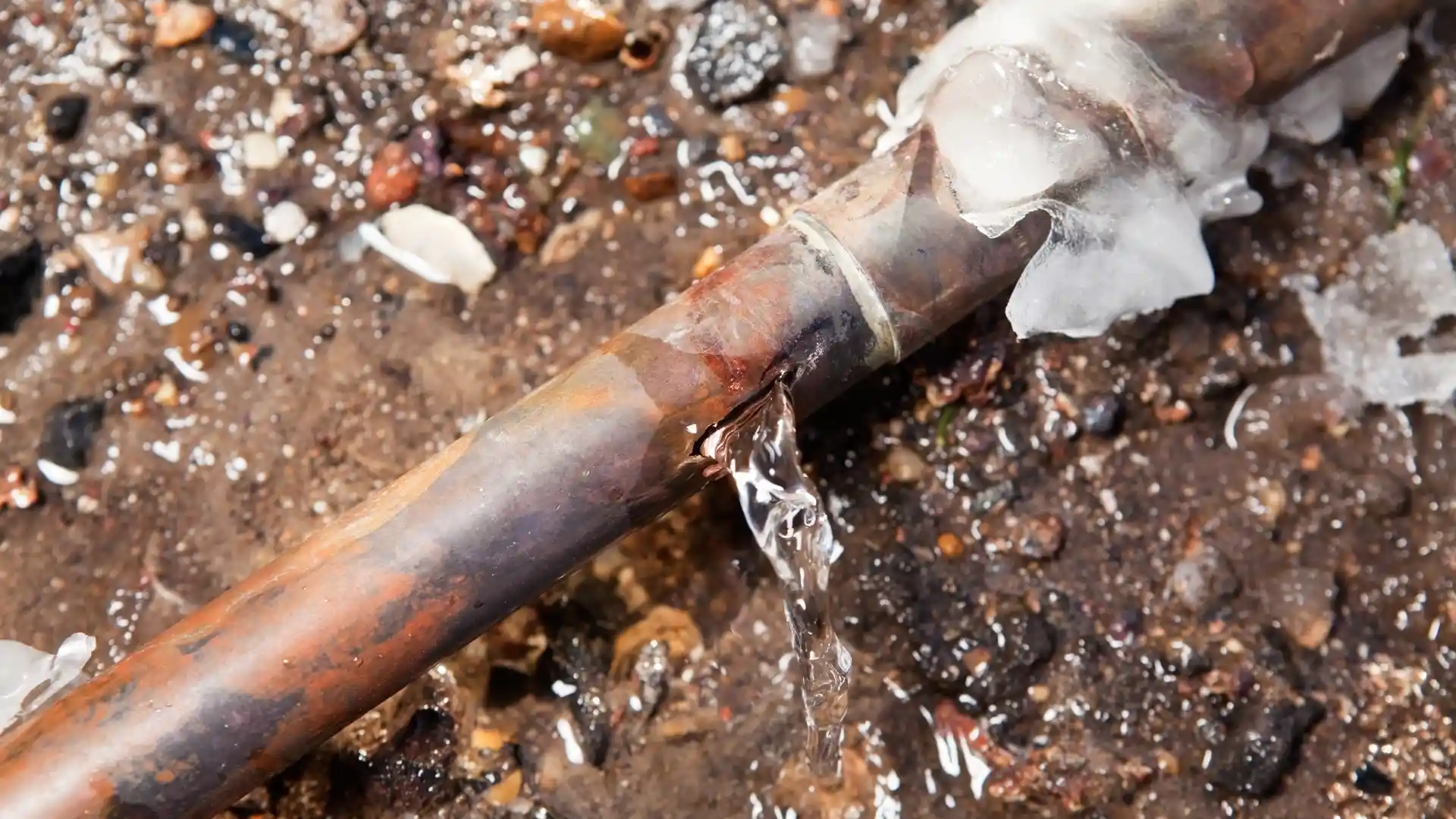
Despite your best prevention efforts, pipes can still freeze during extreme cold snaps. Knowing how to respond quickly can minimize damage and get your water service restored faster.
Step 1: Shut Off Your Water at the Main Valve
If you suspect your pipes are frozen, the first step is to shut off your water immediately at the main valve. This prevents water from continuing to flow if a pipe has burst, which could cause significant water damage to your home. Knowing the location of your main shut-off valve is critical in an emergency situation.
Step 2: Locate the Frozen Section of Pipe
Next, locate the frozen section of pipe. Look for reduced water flow from faucets or visible frost on exposed pipes. Once you’ve identified the frozen area, you can attempt to thaw it using safe methods. Document the location so you can provide this information to a professional plumber if needed.
Step 3: Warm the Frozen Pipe
Use a hair dryer or space heater to slowly warm the frozen pipe. Never use an open flame, such as a torch or blowtorch, as this can damage the pipe or create a fire hazard. Start thawing the pipe nearest to the faucet with the faucet turned on. As the ice melts, water will begin to flow, which helps continue the thawing process. This gradual approach is safer and more effective than rapid heating methods.
Be patient during the thawing process. Slow, steady heat is more effective and safer than attempting to rapidly heat the pipe. Once water flow returns to normal, check the pipe carefully for leaks. If you notice any leaks or if the pipe appears damaged, you’ll need professional repair. Don’t attempt to repair burst pipes yourself—contact Pulse Home Services for emergency plumbing services.
When to Call a Professional Plumber
While some frozen pipe situations can be handled with DIY methods, certain circumstances require professional expertise. If your main water line is frozen, you should call a professional plumber immediately. Main lines are often buried underground or located in areas that are difficult to access, making professional equipment and expertise essential.
You Observe Active Leaking
If pipes have burst or are actively leaking, don’t attempt repairs yourself. Water damage can spread quickly, and improper repairs can make the situation worse. If you’re unsure where the frozen section is located or if DIY thawing methods haven’t worked after several hours, it’s time to call a professional. Professional plumbers have specialized equipment to locate and repair frozen pipes efficiently.
You Need Preventive Pipe Rerouting
Additionally, if you need preventative pipe rerouting or significant insulation upgrades, a professional plumber can assess your home’s specific vulnerabilities and recommend long-term solutions. Pulse Home Services’ licensed, NATE-certified technicians are equipped to handle complex frozen pipe situations and can provide comprehensive solutions tailored to your home’s needs. Their expertise ensures your plumbing system is protected for years to come.
You Need Rapid Emergency Response
Pulse Home Services offers rapid emergency response for burst or frozen pipes across Colorado. With well-equipped service vehicles and efficient scheduling, their technicians work to restore your water service as quickly as possible. Call (303) 816-8588 for immediate assistance during a frozen pipe emergency. They serve Westminster, Longmont, Boulder, Lafayette, Broomfield, and 30+ additional Colorado communities.
Long-Term Protection: Winter Maintenance Checklist
Preventing frozen pipes is an ongoing process that extends beyond the winter season. Implementing a comprehensive maintenance plan helps protect your home year-round. Regular maintenance is more cost-effective than dealing with emergency repairs.
Schedule a pre-winter plumbing inspection with a qualified professional. They can identify vulnerable areas in your home’s plumbing system and recommend preventative measures before winter arrives. This proactive approach is far more cost-effective than dealing with emergency repairs.
Upgrade insulation in vulnerable areas of your home. If your attic or crawl space has inadequate insulation, adding more can significantly improve your home’s ability to maintain consistent temperatures. Consider rerouting pipes away from exterior walls if they’re frequently at risk of freezing. Professional assessment can identify the most cost-effective improvements.
Install smart home monitoring systems that alert you to temperature changes in vulnerable areas. Some systems can even automatically adjust your thermostat if temperatures drop unexpectedly. Maintain annual HVAC service to ensure your heating system is operating efficiently and can maintain consistent temperatures throughout your home. Professional HVAC maintenance prevents system failures during critical winter months.
Document the location of your water shut-off valve and test it annually to ensure it operates properly. This simple step could save you thousands of dollars in water damage if an emergency occurs.
Protect Your Home This Winter
Frozen pipes are a serious threat to Colorado homeowners, but they’re also highly preventable with the right approach. By implementing the strategies outlined in this guide, you can significantly reduce the risk of frozen pipes in your home. Taking action now protects your investment and your family’s comfort.
Frequently Asked Questions
At what temperature do pipes freeze in Colorado?
Pipes are at risk when their temperature drops to 32°F or below. In Colorado, wind and low humidity can cause pipes in uninsulated or exposed areas to lose heat faster, so they may freeze during cold, windy weather even when outdoor temperatures hover just above freezing. Understanding these conditions helps you prepare your home for winter weather.
How long does it take for pipes to freeze?
In some conditions, uninsulated pipes in unheated spaces can freeze in as little as 6 to 8 hours of sub‑freezing temperatures. This rapid freezing is why quick action is essential when you suspect frozen pipes. Professional plumbers can thaw pipes quickly to prevent burst damage.
Can I use a heat gun or hair dryer to thaw pipes?
A hair dryer is a safe option for thawing frozen pipes. A heat gun can be used carefully, but keep it at a safe distance to avoid damaging the pipe. Never use an open flame, such as a torch or blowtorch, as this creates a fire hazard and can damage the pipe.
Should I let my faucet drip all night?
Yes, during extreme cold (below 0 degrees Fahrenheit), allowing a faucet to drip continuously is an effective prevention method. The small amount of water flow prevents ice formation and relieves pressure in the pipes. This simple technique has saved countless Colorado homes from frozen pipe damage.
How much does frozen pipe repair cost?
Repair costs vary widely depending on the extent of the damage and the location of the frozen pipe. Simple thawing might cost $100 to $300, while burst pipe repairs can range from $500 to several thousand dollars, depending on the damage. Prevention is significantly more cost-effective than repair.